
The construction sector is one of the largest users of global resources and contributors to pollution. While the ultimate goal is to help build a world that can improve lives. Therein lies a responsibility to find and implement sustainable practices that will lay the foundation for future generations and leave them the ability to meet their own needs.
There are plenty of ways to protect the planet without compromising on the ease or quality of work. Working sustainably shouldn’t be something to fear as it primarily involves meeting the demands of the expanding population all while finding ways to support the environment in the long term. This list will illustrate some of the steps that can be taken to get started on making your business more sustainable. However, it is advised to carry out more extensive research to find the best methods for you.
What is Sustainability?
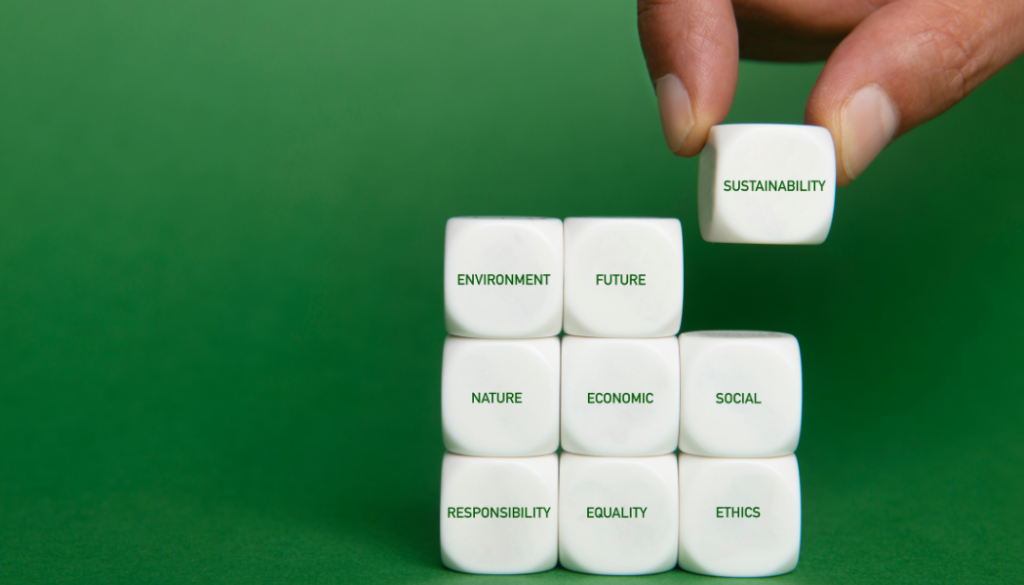
Before proceeding to the list, it would help to define what the term sustainability means. It’s a broad term that encompasses the desire to carry out any activity without depleting resources or having harmful impacts in the short and long term. This terminology can be applied to a number of fields but is generally categorised into three main areas – environmental, social, and economic.
The UK government has claimed to be committed to investing in a low-carbon transition in order to steer the country towards net-zero carbon emissions to mitigate climate change. The full results of this plan have yet to be seen, but in the meantime, various industries could be seeing some level of transition in certain work practices, processes and production.
What You Can Do On Site
Switch to more sustainable materials
Almost everything we do has an ecological footprint, even the production of the most simple of building materials. A familiar example is that of concrete, which has been noted for being responsible for about 7% of the world’s CO2. With the current climate condition and the phenomena of global warming, there is a pressing need for the construction and other industries to adopt and introduce environmental friendly materials.
Recently, more and more sustainable alternatives have been developed and introduced that can be just as, if not more effective than traditional concrete. One such alternative is that of ‘green concrete’ which has been considered greener, stronger, and more durable. Some other alternatives can include recycled plastics or rammed earth but with all things, there are discrepancies that are dependent on circumstantial and external factors. For more examples on alternative build materials, click here.
Dispose of waste responsibly
It’s understandable that a waste-free construction zone is more of a pipe dream if anything. In order to build something up, you have to tear something down. However, it is what you do with those torn down materials that can make a significant difference. Believe it or not, you can possibly reuse or recycle certain materials without sending them to a landfill. Items such as masonry, plastics, metals, glass, lumber and more can be either recycled or reused in other projects.
When done properly, disposing of waste in an eco-responsible way can save money on materials and waste disposal in the long term. It can also show customers and the government that your company takes its environmental social responsibility seriously. For a list of recyclable items, you can click here.
Take steps to prevent run-off
It’s common knowledge that a poorly managed construction site can have the potential to lead to all kinds of dilemmas. One such hazard is the leakage of hazardous chemicals into the environment. In order to prevent this sort of thing from happening and to protect local water and soil, using things like silt fences to prevent soil from washing away and make sure that contaminants are kept well away from watercourses.
Improve transport efficiency
Almost all industries use transportation in some form or another and they all have their own level of carbon output. With construction, the carbon emissions produced from transportation can add up quickly so it pays to manage your fleet and transport systems as efficiently as possible. Some simple measures that can be taken are choosing the most carbon-efficient routes to take from point A to point B, switching to a more eco-friendly fuel, making fewer trips, and keeping the fleet well-maintained. These can not only potentially save you money, but could make your operations more efficient and reduce environmental impact.
Consider going digital
Many companies in the UK have embraced the new technological innovations. In many ways, they have greatly improved the production and speed at which business occurs and construction is no different. With the latest advancements at the forefront of the industry in 2021, it’s easier than ever to switch to digital platforms. Investing in good construction management software can benefit you by saving costs on paper (which also means saving trees), make filing and organising documents easier, and improve the overall operation and efficiency of your business.
Conclusion
While there are clear reasons to invest in sustainable construction practices, there is even more reason in a business sense; especially with the direction the UK is planning to go. More sustainable companies will have a natural competitive edge over their less sustainable counterparts as it can be a major selling point for many people. There are a number of environmental, financial and social benefits that aim to fight climate change through sustainable methods that can improve the quality of life and health for many people.
