



In many places of work safety signage is necessary for worker safety and raising awareness. Figures released by the Labour Force Survey showed that 581,000 workers sustained non-fatal injuries in 2018/19. Many of these injuries were caused by slips, trips, falls from height, manual handling and being struck by a moving object. These statistics stress the importance of maintaining health and safety standards in the workplace. Many of these injuries and accidents can be avoided by correctly displaying and following safety signs.
Safety signs are put in place to reduce the likelihood of injury and to ensure that staff are fully equipped before entering different areas of the workplace. Whatever your business does, you must ensure that safety signs are correctly displayed in order to meet health and safety standards and to communicate health and safety information to staff and visitors on your premises.
The Safety Sign Regulation (1996) requires employers to provide specific safety signs whenever there remains a risk to the health and safety of employees. Colour codes help to categorise signs and enables those entering a specific area to understand the PPE required for the environment they are entering which will allow them to safely protect themselves. Injuries and accidents can be avoided by correctly displaying and following safety signs:
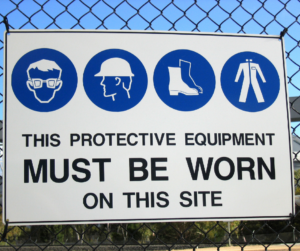
This informs staff and visitors on what they need to know or wear before entering an area. An example of this would be a particular type of PPE must be worn.
This sign alerts people that a specific action is not allowed. For example, no smoking.
These signs are triangular and warn people of a danger. An example of these are flammable material or high voltage present.
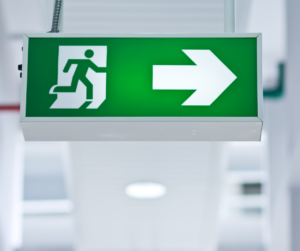
These signs come in a square or rectangle format and inform people of where to go. Green signs show the location of fire exits, first aid kits etc.
We use cookies to help our website work properly, understand how it’s used, and measure the effectiveness of our marketing. You can change your choices in Preferences.
Manage your cookie preferences below:
Essential cookies enable basic functions and are necessary for the proper function of the website.
Statistics cookies collect information anonymously. This information helps us understand how visitors use our website.
Google Analytics is a powerful tool that tracks and analyzes website traffic for informed marketing decisions.
Service URL: policies.google.com (opens in a new window)
You can find more information in our Privacy policy.
