
Every year there are thousands of personal protective equipment (PPE) related accidents in the workplace; around half of these happen because either no PPE is provided when it should be, or because the equipment supplied is not used or maintained correctly. These accidents are easily preventable if those using PPE understand its importance, and how to correctly maintain it.

Employers have responsibilities concerning the provision and use of PPE at work. There are several laws applicable to personal protective equipment that employers must be aware of and comply with within the workplace:
Health and Safety at work Act 1974 (HASAWA)
This sets out the general duties which:
- employers have towards employees and members of the public
- employees have to themselves and to each other
- certain self-employed have towards themselves and others
Management of Health and Safety at Work Regulations 1999 (MHSWR)
This outlines what employers are required to do to manage health and safety. The regulations place a set of duties on employers and employees to maintain a safe workplace.
Work at Height Regulations 2005 (WAHR)
The purpose of this regulation is to prevent death and injury caused by a fall from height. Employers are responsible for ensuring that any work at height has been properly planned, supervised, and carried out by competent people. This also includes using the right equipment (PPE) for working at height.
Control of Noise at Work Regulations 2005
This ensures that workers hearing is protected from excessive noise at their place of work, which could cause them to lose their hearing and/or to suffer from tinnitus
Personal Protective Equipment at Work Regulations 1992
This covers the use and issue of PPE to employees. The main requirements focus on the fact that the employer must carefully select suitable PPE that is fit for the purpose for which it is intended.
Control of Substances Hazardous to Health Regulations (2002)
This regulation states that employers have a responsibility to protect workers from exposure to substances that could be hazardous to their health.
Even when a workplace has been made safe, some hazards can remain that could affect:
- The eyes from flying particles or hazardous liquids
- The skin from contact with corrosive materials
- The lungs from breathing in contaminated air
- The head/feet from falling objects
- The ears from loud noises
- The body from extreme temperatures
PPE is needed to help reduce these risks to the body.
Types of PPE
Eyes
To prevent chemical or metal splash, dust, projectiles, or vapour from getting in contact with your eyes you should use the following PPE:
- Safety spectacles, goggles, face shields, visors
Lungs
Oxygen deficient atmospheres, gases, and vapours can all be harmful to your lungs, to reduce these hazards you should use the following PPE:
- Filtering facepieces and power-assisted respirators. C2 Safety offer face fit testing onsite or at our training centre. We test whether the mask fits the person’s shape and size. Face Fit testing should be carried out at the mask selection stage.

Head/neck
To prevent being injured from flying or falling objects, head bumping or chemical splashes you should use the following PPE:
- Safety helmets, industrial bump caps, hairnets, and firefighters’ helmets
Ears
High-level noises and duration of exposure can all contribute to potential hearing loss, to prevent this you should use the following PPE:
- Earplug, earmuffs, semi-inserts/canal caps
Feet and legs
Extreme changes in temperature, electrostatic build-up, falling objects, machinery, and other factors can all pose a hazard to your feet and legs, this can be prevented by using the following PPE:
- Safety boots and shoes with protective toecaps and mid-sole wellington boots and specific footwear such as chainsaw boots
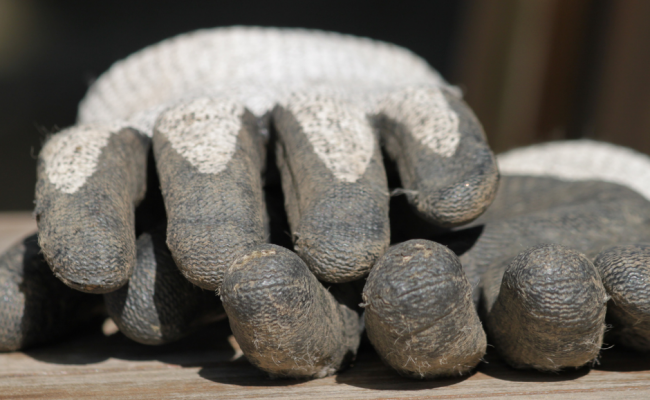
Hands and arms
To prevent cuts and punctures, electrical shocks, chemical splash, radiation, abrasion, and prolonged immersion in the water you should use the following PPE:
- Gloves, including gloves with a cuff, gauntlets, and sleeving
Whole-body
To avoid the heat, chemical, or metal splash from touching your body then you should use the following PPE:
- Overalls (conventional or disposable), boiler suits, aprons, and chemical suits
Selection and use of PPE
When selecting and using PPE you must:
- Only choose products which are CE marked in accordance with the Personal Protective Equipment Regulations 2002 – your suppliers can advise you
- Choose equipment that suits the person wearing it. You must consider the size, fit and weight of the PPE. If the users help choose it then they will be more likely to use it
- If a worker needs to wear more than one item of PPE at the same time then make sure they can be used together
- Provide instruction and training on how to use their PPE. Make sure to explain why they need to wear it and let them know of any limitations.
Maintenance
All PPE must be stored in a clean and sanitary condition ready for use. It must be stored to protect it from contamination, loss, damage, water or sunlight. Proper storage often requires a dry and clean place that is not subject to temperature extremes.
When maintaining your PPE ensure you use the right replacement parts which match the original, for example respirator filters.
Always keep replacement PPE available for visitors or employees or those who might forget or misplace their own PPE.
It is important to know who is responsible for maintenance and when it was last checked, so make sure to keep a record of this.
Employees must be reminded to make proper use of PPE and to report its loss or destruction or any fault with it to managers or those responsible for it.
