
Unwanted guests are never a good thing, especially when they are very, very small and end up staying en-masse to infest your home.
We aren’t talking about elves, nor the small teddy bear things from Star Wars. This isn’t Snow White’s 7 dwarves with attitude and extra company. We’re talking about bugs – bed bugs, fleas and silverfish.
These pests are becoming an increasing problem in the UK for households, and more so for landlords who have an obligation to help their tenants deal with them. This toolbox talk aims to give you an insight into these pests, what to look for and how to deal with them.
However, it’s always best to contact a professional pest company for up-to-date and specific information and guidance (as well as help in most cases) to ensure you treat the infestations appropriately and effectively.
Bed Bugs
Fun Facts:
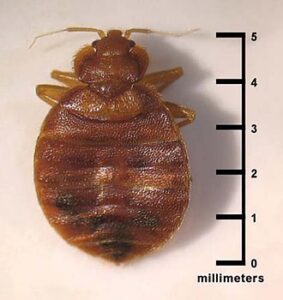
- The new variant appearing in the UK is bigger than the domestic bed bug – over 5.5mm.
- They can lay up to 250 eggs a month.
Size:
- Adults are generally 4-5mm (half a centimetre), a reddish-brown colour, with flat oval-shaped bodies (described as like apple seeds).
- Eggs are tiny and white.
- Tend to hide in dark spaces like mattress seems, cracks in walls, under mattresses or cushions.
Symptoms:
- Rash (areas of redness to blisters).
- General itchiness.
- Tiredness or fever like symptoms.
- Allergic symptoms (anaphylaxis rarely).
- Psychological effects.
They don’t transmit any infectious diseases.

Spotting them:
You may notice blood spots on sheets or mattresses, tiny eggs/eggshells, bites, rashes.
Infestation is rarely due to lack of hygiene, but is common in high density areas such as HMOs and busy housing blocks.
They tend to congregate in dark crevices or folds, so checking along the seams of mattresses
or any skirting board cracks near soft furnishings where people or animals sleep is a good place to start.
Treatment:
Infestations can be hard to treat (they can survive up to 300 days without feeding), and repeated treatments are necessary.
Use of pesticides is generally required, along with frequent vacuuming and washing clothes at high temperatures. Prolonged high temperature steam for cleaning furnishings may be enough, but due to their habit of hiding in dark, small spaces you are likely to need professional help to heat treat or fumigate furniture and properties.
Homeowners:
You’ll need specialist treatment for your home if you have bed bugs, however, there are measures you can take to help prevent an infestation. Vacuum regularly and empty the vacuum in an outdoor bin, vacuum and/or steam mattresses and furniture to at least 60 degrees Celsius, wash clothes on a high temperature wash (60 degrees Celsius).
Staff precautions:
Change clothing before entering and on leaving house, check shoes/wear overshoes, put used clothes in tumble dryer outside of the individual home environment.
Fleas
Fun Facts:
- Fleas can live for between 14 days to a year.
- Fleas only bite as adults.
- 95% of fleas live in your environment, not on your pets. Fire up the vacuum!
- They can leap up to 100x their body size, around 12 inches/30cm.
- It can take 3 months of hard work to break the flea cycle in your home.
Size:
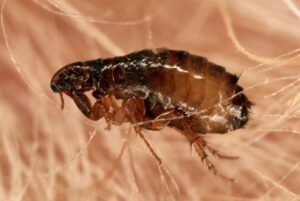
Typically 1.5 to 3mm long as adults, usually brown in colour. They can jump up to 50 times their body height. Larvae are wormlike, and eggs/babies can be dust-like spots.

Symptoms:
Itchy bites in the skin which may turn into a red lump/spot. If you have pets, keep an eye out for increased scratching and itching. Be aware of flea faeces near dogs’ beds or areas commonly used by your pets.
Spotting them:
You may spot fleas, they are reddish-brown or black-ish and only around 1.5mm in size. Flea poo is often a give away, though it can be mistaken for dust. Itching animals is the most obvious sign. Their favourite places are carpets (for laying eggs), fur, cushions and bedding.
Treatment:
Regularly wash bedding thoroughly, as well as regularly and thoroughly vacuuming all carpets, rugs and skirting boards. Dispose of contents of vacuum in an outside bin to prevent them escaping.
If you have pets, check them regularly by grooming them, and ensure you keep them treated with flea treatments such as ‘spot on’ style products, flea tablets and/or flea and tick collars.
You can also buy flea shampoo for pets. You’ll need to worm your pets too, as fleas can lead to them being affected tapeworms or other parasites.
Homeowners:
Keep your eyes out for your pets itching, scratching, losing fur or developing red or bald patches on their skin. In the home, you need to vacuum, and keep vacuuming! If the problem persists, you can use a steam cleaner to kill off the fleas and eggs in soft furnishings and carpets. There are also a range of pet-safe sprays you can use to treat your home if required.
Staff precautions:
Wear a protective, disposable coverall. Use RPE if treating with pesticides. Treat furnishings thoroughly and ensure a powerful vacuum is used – the eggs can incubate for between 5 and 20 days and are pretty hardy to pesticides.
Silverfish
Fun Facts:
- They are silver, but they are not fish!
- They are nocturnal and can regenerate lost antenna.
- They eat cellulose rich substances including sugar, dandruff, wallpaper paste, book pages and even
coffee. - Silverfish moult between 17 and 66 times in their lifetime.
Size:
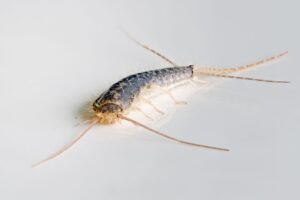
Silverfish are often between 13mm and 15mm long. They are a small, wingless insect. They don’t have strong jaws so cannot bite, however they do scrape materials or surfaces in order to eat the cellulose in them.
Symptoms:
Silverfish
don’t bite humans, but they can cause allergic reactions to those with dust
allergies as they moult.
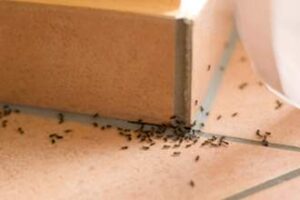
You may find yellow residue on products around your home, moulted skins or the insect itself in your books, clothes or any humid places such as empty cardboard boxes or clothes piles.
Treatment:
Preventative: ensure you keep your home well ventilated, clean and vacuumed, and free of clutter.
Removal: Seal cracks or vents where humid air can get in to your home. Use a dehumidifier. Insecticides
are recommended, though are not worth using unless you have addressed the environment first – so keep your home dehumidified and vacuumed.
You can also
use sticky insect traps.
Homeowners:
Keep your eyes out, but most importantly, keep your home dry, clean and uncluttered. Vacuum regularly and inform your housing association if you find any Silverfish so they can act sooner rather than later.
Staff Precautions:
Advise your tenants to dehumidify, check for damp cracks or voids, encourage cleaning and vacuuming.
